millicentmedia
What Virginia Homebuyers Really Think About Homes With Solar Panels
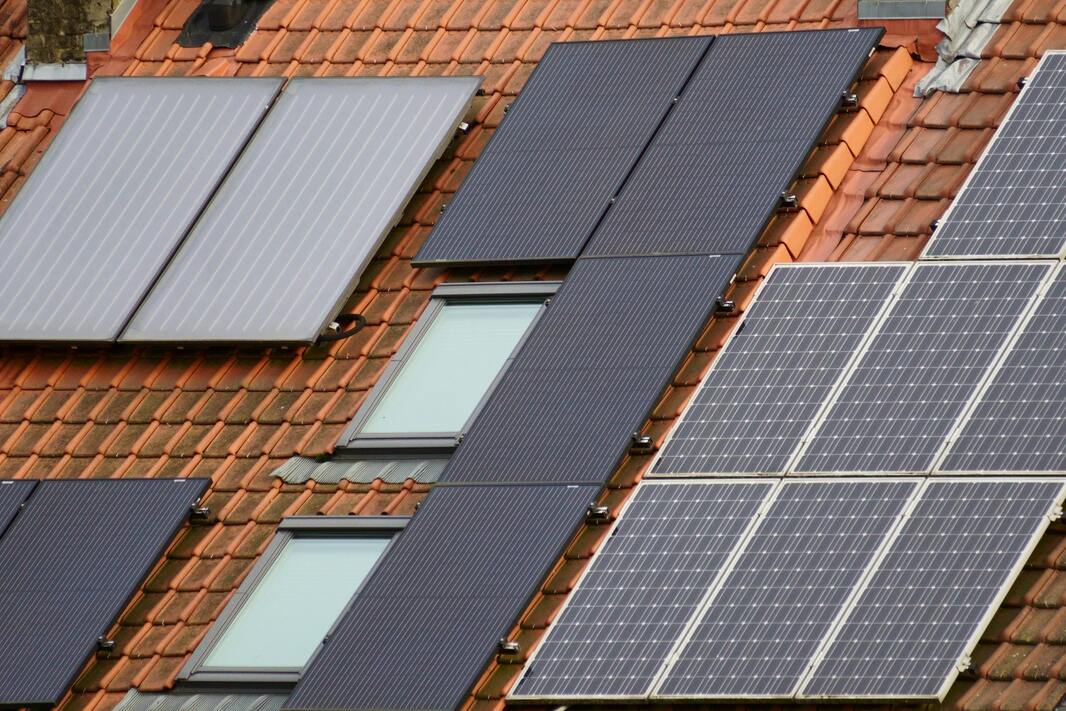
If you're looking to sell or buy in Virginia, you'll notice solar panels spark plenty of conversation. Many see them as a smart investment, but not everyone feels the same about their look, cost, and long-term value. Questions about savings, maintenance, and even HOA restrictions often pop up. So, what truly shapes your neighbors' opinions—and could solar panels boost your home's appeal or turn buyers away? Let's unpack the factors driving the market.
Market Trends for Solar-Equipped Homes in Virginia
In recent years, the Virginia real estate market has witnessed an increase in the number of homes equipped with solar panels. However, the impact of these installations on property values remains ambiguous. In specific areas such as Beach City and Newport News, it appears that the average solar panel system may not significantly increase a home's market worth, largely due to buyer hesitance and limited understanding of solar technology.
National trends indicate that homes with solar panels often sell at a premium in markets with higher acceptance and familiarity with renewable energy systems; however, Virginia's market is still developing in this regard. Factors such as homeowners' association (HOA) regulations and the amount of sun exposure a property receives can restrict panel installation, which may further influence a home’s perceived value. For those considering solar panels in Virginia, it's important to understand these factors.
Furthermore, many home sellers in Virginia tend to exclude the value of solar installations from their pricing strategies, indicating a cautious approach to marketing these features. Overall, while solar-equipped homes may offer long-term savings on energy costs, Virginia's real estate climate suggests that the immediate impact on property valuation is still evolving, with varying degrees of acceptance across different regions.
Common Buyer Perceptions and Misconceptions
Homebuyers in Virginia exhibit a diverse range of opinions regarding properties equipped with solar panels, and several misconceptions frequently arise.
While there is a perception that solar panels may enhance property value, many buyers in the state remain doubtful about this assertion. Concerns often center around potential roof repairs and the perceived complexity of solar panel systems, particularly in urban areas such as Newport News and Virginia Beach.
Additionally, some buyers question the overall return on investment for solar panel installations, despite broader national trends suggesting an increasing acceptance of renewable energy solutions in the housing market. It is pertinent to note that factors such as sun exposure can significantly influence the effectiveness and efficiency of solar panel systems.
Moreover, advertising strategies, particularly those disseminated through platforms like YouTube or via various company promotions, can sometimes present solar technology in an overwhelming manner that may alienate potential buyers.
Ultimately, while properties with solar panels can attract interest, they do not universally simplify the selling process, and the market's variability necessitates a thoughtful approach to how these features are marketed.
Financial Considerations and Solar Loan Impacts
When evaluating the financial implications of solar panel systems, it is important to recognize the concerns that solar loans may present to potential homebuyers in Virginia. Buyers often view these loans as comparable to costly home renovations, leading to debates about whether solar installations genuinely enhance property value or create obstacles in the selling process across various regions, including from the Beach to Newport News.
Solar loan obligations can influence buyers' perceptions of a home's worth, particularly in cities such as York and New City, where local market dynamics may differ significantly. In light of these factors, many sellers opt to settle their solar loans prior to listing their properties. This strategy appears to facilitate smoother transactions, particularly given the varying levels of market acceptance for solar energy systems across the state.
It is also pertinent to consider that the decision to invest in solar energy should be evaluated against the backdrop of both financial benefits and market expectations. Research indicates that while solar energy can lower utility costs, the associated liabilities of solar loans may deter buyers and affect the overall desirability of the property.
As such, comprehensive market analysis and careful financial planning are essential for both sellers and buyers navigating this evolving landscape.
Solar Panel Aesthetics and Home Maintenance Concerns
Solar panels can have a significant impact on both the appearance and maintenance considerations of a home. In Virginia, potential homebuyers sometimes view solar panel installations as less aesthetically pleasing compared to traditional roofing materials. This perception can vary widely based on individual preferences and the design of the home.
From a maintenance standpoint, solar panels introduce additional considerations. Homeowners may face challenges if roof repairs are necessary, as the installation of solar panels can complicate access to the roof. Furthermore, there may be concerns regarding the replacement of a solar panel if it becomes damaged, which could entail additional costs and logistical challenges.
In assessing the value of homes with solar panels, buyers in Virginia should weigh factors like sun exposure and the average market value of solar-equipped properties against the potential need for increased upkeep.
While promotional materials from local companies may suggest significant cost savings through "free" energy, the actual financial implications can be more nuanced.
Ultimately, the decision to install solar panels requires careful consideration of these aesthetic and maintenance factors, as well as an understanding of the local real estate market dynamics in Virginia. This approach will help potential buyers make informed decisions regarding the addition of solar energy systems to their homes.
Navigating HOA Restrictions and Local Regulations
Homebuyers in Virginia who are considering the installation of solar panels often face challenges associated with Homeowners Association (HOA) restrictions and local regulations.
It is essential for prospective buyers to understand how HOA guidelines may influence critical aspects such as roof orientation, sun exposure, and the permissible placement of panels, particularly in regions with a high concentration of HOAs such as Virginia Beach, Yorktown, and Newport News.
Many individuals seek information about HOA rules through various platforms, including YouTube and solar installation companies, which can contribute to concerns regarding potential limitations.
These restrictions may impact both the efficiency of the solar panel system and the overall value of the property. Therefore, it is advisable for buyers to conduct thorough research on HOA policies as well as pertinent local laws before committing to solar panel installations.
In Virginia, engaging in transparent sales practices and obtaining a comprehensive understanding of local regulations can significantly influence the feasibility and benefits of a new solar panel system.
Buyers should weigh the costs and benefits against the potential constraints imposed by HOAs to make an informed decision about their investment in solar energy.
Key Factors That Influence Buyer Decisions
The increasing interest in renewable energy has led many homebuyers in Virginia to consider properties with solar panel systems; however, various practical factors significantly influence their decisions. Key considerations include the average cost of a panel system, the condition of the roof, and adherence to local regulations in areas such as Newport News, Virginia Beach, and York.
Buyers often assess the financial implications of solar installations, questioning the true value these systems may add to a home, especially in the context of potential future sales in Virginia. Issues such as sun exposure, which affects system efficiency, and the governing rules set forth by homeowners' associations (HOAs) also play a substantial role in shaping buyer perceptions.
Visual impact remains a concern for many, as aesthetics can affect neighborhood appeal. While national trends may tout solar energy as a leading advancement, it is crucial for prospective buyers to closely evaluate these practicalities to make informed decisions regarding their investments in solar technology.
Strategies for Sellers of Solar Homes in Virginia
Selling a solar-equipped home in Virginia involves specific considerations that require thorough preparation and strategic planning.
It is essential to be aware of local Homeowners Association (HOA) regulations in areas such as Newport News, Virginia Beach, and York County, as these rules may influence the placement of solar panels and the overall efficiency of the system.
It is advisable to settle any outstanding solar loan obligations prior to listing the home. Unpaid loans can deter potential buyers who may be wary of incurring additional financial responsibilities.
Furthermore, it is crucial to establish a realistic market value for the property. While solar energy systems can enhance a home's appeal, buyers in Virginia may not view solar installations as essential features but rather as beneficial upgrades.
Ensuring that information regarding the solar system's value, the efficiency based on roof sun exposure, and trends in the real estate market is readily available may facilitate the selling process.
Utilizing platforms such as YouTube for informational walkthroughs could be an effective means of communicating this information to prospective buyers, provided that such content is presented in an objective and informative manner.
Conclusion
When you're considering a home with solar panels in Virginia, you're weighing more than just immediate savings—you're looking at long-term value, environmental impact, and resale appeal. While misconceptions and upfront costs may give you pause, shifting policies and advancing technology continue to shape the market in your favor. By staying informed on financial incentives and local regulations, you can make a confident decision that aligns your priorities with the evolving landscape of energy-efficient homeownership.